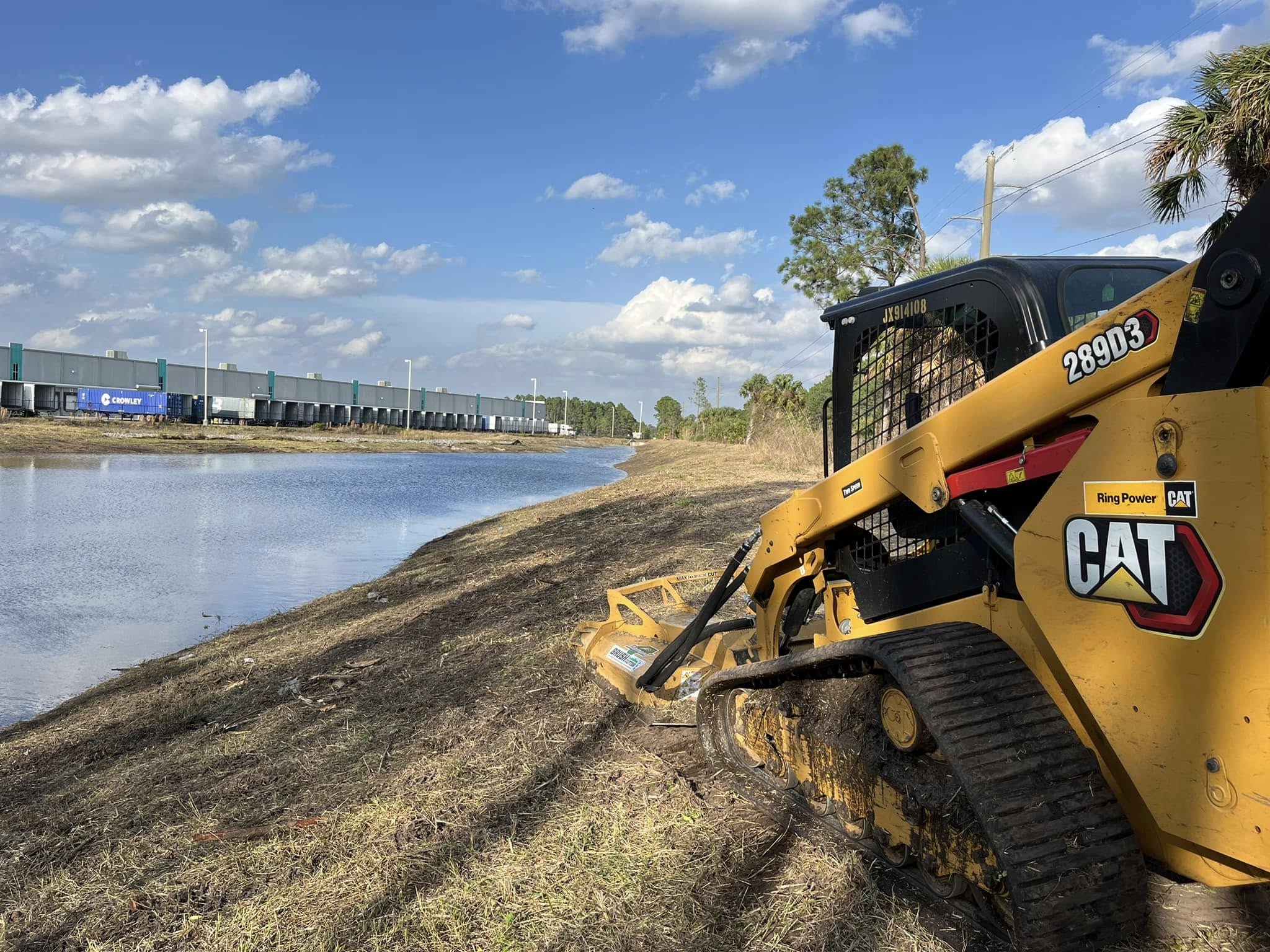
Digging Deep: Exploring the Best Practices in Excavation Safety Apr 03, 2026
The first step in excavation safety is thorough site evaluation. Before any excavation begins, it’s crucial to assess the area for potential hazards. This includes identifying underground utilities such as water, gas, and electrical lines. By doing this, accidents can be minimized, protecting both workers and the surrounding community. Utilizing technologies like ground-penetrating radar and consulting with local utility companies are effective strategies to accurately map these utilities.
Proper training and equipment use are the backbone of safe excavation practices. At Tomoka Site Works, we ensure that all team members are thoroughly trained in operating machinery like backhoes, loaders, and excavators. Understanding the specific functions and limitations of each piece of equipment is essential in preventing misuse that could lead to accidents. Furthermore, operators need to be aware of the machine’s swing radius and the location of other workers at all times to reduce the risk of injury.
Daily safety briefings are another vital component of our safety culture. These meetings help to reinforce safety protocols and remind crews of specific risks posed by the day’s tasks. Communication should be clear and consistent to ensure everyone on site is aware of the procedures to follow. This culture of open dialogue encourages workers to voice concerns and report unsafe conditions, fostering an environment where safety improvements are continuous.
Monitoring weather conditions is also key in excavation safety. Adverse weather, like heavy rain or extreme cold, can make excavation sites hazardous. Wet conditions can lead to trench collapses, while cold weather might cause equipment malfunctions. At Tomoka Site Works, we plan ahead by monitoring forecasts and adjusting schedules accordingly to avoid these conditions where possible. This proactive approach ensures that work is done safely and efficiently.
Sloping, shoring, and shielding are effective techniques used to prevent trench collapses. Sloping involves angling the sides of a trench to reduce the risk of collapse, while shoring uses supports to hold the trench walls in place. Shielding, on the other hand, employs protective systems such as trench boxes that can withstand soil pressure. These methods, when chosen appropriately based on soil type and trench depth, enhance the stability of excavation sites and protect workers from being buried.
Routine inspections and maintenance of safety equipment are fundamental in excavation safety. Safety gear such as helmets, gloves, and high-visibility clothing should be checked regularly to ensure they are in good condition. Moreover, personal protective equipment must be worn at all times on the site to provide maximum protection against unforeseen incidents.
In conclusion, best practices in excavation safety revolve around comprehensive planning, constant communication, and adherence to protocols. At Tomoka Site Works, we are committed to employing these strategies to ensure a safe working environment. By fostering a culture of safety, we not only protect our skilled workforce but also maintain the integrity and success of every project we undertake. Our dedication to excavation safety not only meets but exceeds industry standards, making us a trusted partner in construction.