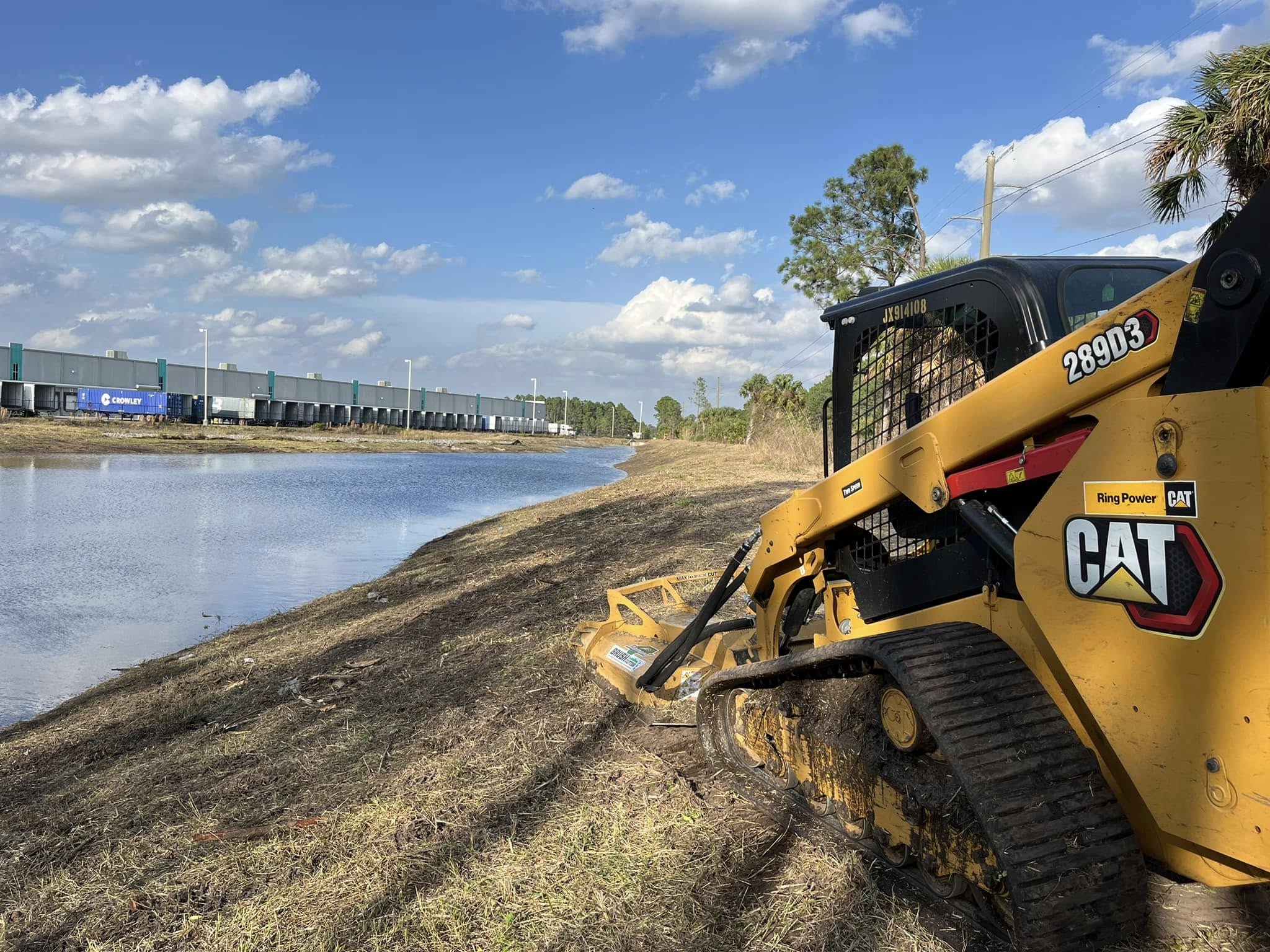
The Future of Excavation: Sustainable Practices in Site Work Apr 30, 2026
Sustainability in excavation begins with careful planning. Site assessment is a crucial first step, enabling companies to identify eco-sensitive areas and plan accordingly. Advanced technologies such as geographic information systems (GIS) allow for detailed mapping and analysis of sites, ensuring minimal disruption to the surrounding ecosystem. This technological advantage helps in making informed decisions that contribute to sustainable site management.
One of the most significant advancements in sustainable excavation is the adoption of robust machinery designed to reduce emissions and optimize fuel use. Electric and hybrid excavators are increasingly common, providing powerful alternatives to traditional diesel-powered machines. These vehicles not only reduce greenhouse gas emissions but also offer quieter operation, which diminishes noise pollution in residential and protected areas.
Another pivotal strategy in sustainable excavation is effective material management. The process involves meticulous cataloging and recycling of excavated material, which minimizes waste and reduces the need for new materials. Soil management is another area where sustainable practices can be applied. By analyzing soil composition, companies can often reuse materials on-site, which decreases the carbon footprint associated with transporting materials to and from the location.
Additionally, water conservation is becoming an integral part of excavation projects. Implementing systems for rainwater harvesting and using recycled water for dust suppression and other site activities can greatly minimize water use. This not only conserves valuable resources but also reduces operational costs, illustrating that sustainability can be economically beneficial as well.
Biodiversity is also a key consideration in sustainable site work. Tomoka Site Works is committed to preserving habitats and supporting local wildlife during and after the excavation process. Practices such as creating buffer zones, implementing erosion control measures, and prioritizing native plant species in post-project landscaping are crucial for maintaining ecological balance.
Furthermore, community involvement is an essential component of sustainable excavation practices. Open dialogue with local residents and stakeholders can lead to projects that are better tailored to the needs and expectations of the community. Educational outreach efforts help inform the public about the measures being taken to ensure sustainable site work, fostering a collaborative environment between companies and communities.
As the industry continues to evolve, the future of excavation looks increasingly green. For Tomoka Site Works, adopting sustainable practices is not merely a response to environmental concerns but a commitment to shaping the future of site work. By embracing these innovative approaches, the company positions itself as a leader in sustainable excavation, ensuring that their projects contribute positively to the environment while meeting the demands of modern construction.
In conclusion, the move towards sustainable practices in the field of excavation represents a fundamental shift in how site work is approached. With clear benefits to the environment, communities, and businesses, these practices are set to define the future of the industry. Tomoka Site Works is dedicated to advancing these efforts, demonstrating that sustainability and industry progress can go hand-in-hand. Whether through cutting-edge technology, resource management, or community collaboration, the journey towards sustainable excavation is one that promises significant rewards for generations to come.